
What is Tuberculosis?
Tuberculosis, or TB, is a disease caused by bacteria. It mainly affects the lungs, but it can also harm other parts of the body. Although TB spreads through the air, not everyone who breathes in the bacteria gets sick. Some people may carry the bacteria without showing any symptoms. However, TB can become serious if not treated. According to the World Health Organization (WHO), millions of people get TB each year. Because of this, early detection is very important.
Why is Tuberculosis Screening Important?
Early tuberculosis screening helps find the disease before it spreads. When TB is caught early, treatment works better. Also, screening helps protect your family and community. For example, people with TB can pass the bacteria to others without knowing. Therefore, regular screening can stop outbreaks. In many places, health officials recommend screening for people at higher risk. This helps lower the number of new TB cases each year.
Who Should Get Screened for Tuberculosis?
Not everyone needs a TB test. However, some people have a higher risk. You may need tuberculosis screening if you:
Additionally, if you have symptoms like a cough lasting more than three weeks, fever, night sweats, or weight loss, you should talk to your doctor about screening.
Common Tuberculosis Screening Methods
There are a few main ways to check for TB. Each method helps doctors find out if you have been exposed to the bacteria. The most common tuberculosis screening methods include:
Sometimes, doctors may use more than one test to confirm the diagnosis. Each test is safe and does not take long.
What to Expect During a Tuberculosis Screening
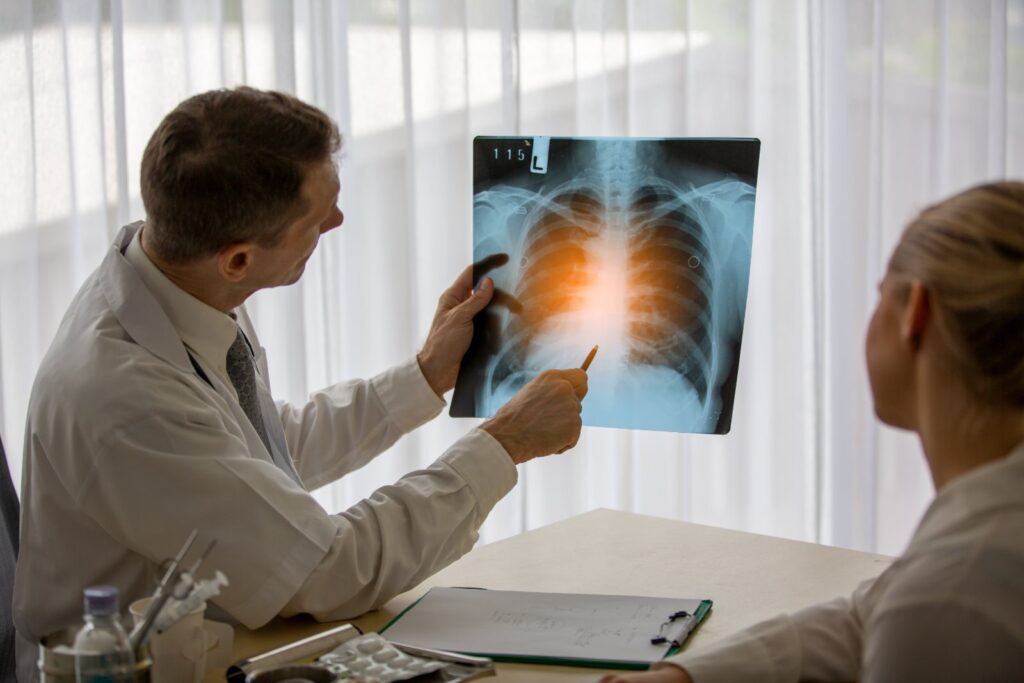
During a TB test, you can expect a simple and quick process. For the skin test, a nurse will clean your arm and inject a small amount of fluid. You will need to return in two or three days to have your arm checked. For the blood test, a small sample is taken from your arm. Results are usually ready in a few days. If you need a chest X-ray, you will stand in front of a machine while a picture is taken. The test does not hurt, and you can go home right after.
Understanding Your Screening Results
After your tuberculosis screening, your doctor will explain the results. If your test is negative, you likely do not have TB. However, if your test is positive, it does not always mean you are sick. Sometimes, people have TB bacteria in their body but do not feel ill. This is called latent TB. In this case, your doctor may suggest more tests or treatment to prevent the disease from becoming active. If you have active TB, you will need medicine to treat it. Early detection helps you get the right care quickly.
Prevention and Next Steps
After screening, there are steps you can take to stay healthy. To prevent TB:
In summary, tuberculosis screening is a key step in stopping the spread of TB. Early detection and treatment save lives. If you think you may be at risk, talk to your doctor about getting screened.
Consult a healthcare provider at Aadya Skanda Diagnostics for personalized tuberculosis screening advice.