
What Are Cardiac Profile Tests?
Cardiac profile tests are a group of medical tests that check your heart health. These tests help doctors find out if your heart is working well. Often, people call them heart health screening or cardiac risk assessment tests. Usually, these tests look for signs of heart disease or risk factors that can lead to heart problems. Because heart disease is common, many doctors suggest these tests for early detection.
Why Are Cardiac Profile Tests Important?
First, cardiac profile tests can find heart problems before you feel any symptoms. Early detection means you can start treatment sooner. In addition, these tests help doctors decide the best care for you. According to the World Health Organization (WHO), heart disease is a leading cause of death worldwide. Therefore, regular heart health screening can save lives. Also, these tests can help you understand your risk and make healthy choices.
Common Types of Cardiac Profile Tests
There are several types of cardiac profile tests. Each test checks a different part of heart health. Here are some common tests:
How Are Cardiac Profile Tests Performed?
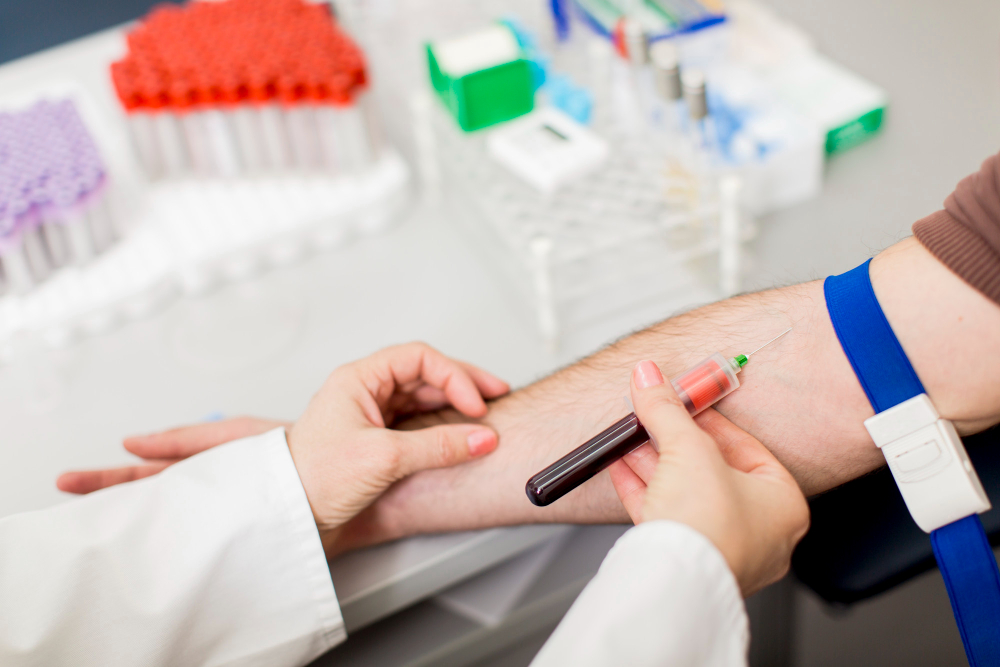
Most cardiac profile tests are simple and safe. Usually, a nurse or technician draws a small amount of blood from your arm. For an ECG, small patches are placed on your chest, arms, and legs. These patches connect to a machine that records your heart’s activity. The cardiac profile test procedure is quick and often takes less than 30 minutes. After the test, you can go home right away.
What Do the Results Mean?
Understanding cardiac test results can be confusing. However, your doctor will explain what each number means. For example, high cholesterol or high troponin levels may show a higher risk of heart disease. On the other hand, normal results mean your heart is likely healthy. Sometimes, results may be borderline. In that case, your doctor may suggest more tests or lifestyle changes. Always ask your doctor if you have questions about your results.
When Should You Get a Cardiac Profile Test?
Many people wonder when to get a cardiac profile test. You may need one if you:
Even if you feel healthy, regular heart health screening is a good idea. Early testing can catch problems before they become serious.
Preparation and Aftercare Tips
Before your cardiac profile test, your doctor may give you special instructions. For example, you may need to fast (not eat or drink) for 8-12 hours before a lipid profile. Always follow your doctor’s advice. After the test, you can usually return to your normal routine. If you feel dizzy or weak after a blood draw, sit and rest for a few minutes. Drink water and eat a light snack if needed.
Prevention and Lifestyle Guidance for Heart Health
Besides testing, you can take steps to keep your heart healthy. Here are some tips:
Even small changes can make a big difference. Over time, healthy habits lower your risk of heart disease.
Conclusion
In summary, cardiac profile tests are key tools for checking heart health. They help find problems early and guide treatment. If you have risk factors or symptoms, talk to your doctor about heart health screening. Consult a Pathologist at Aadhya Skanda Diagnostics to understand your cardiac profile test results and get personalized advice.